Shenzhen,Guangdong,China
}
Mon-Fri: 8:00AM-5:30PM(GMT+8)

Automotive Electronic Devices

Home / Automotive Electronic Devices

Automotive Electronic Devices

Test solutions designed for core automotive components like E-motor systems, OBC, and domain controllers. They provide performance testing, environmental stress screening, CAN/LIN communication diagnosis, and multi-channel parallel aging functions that comply with international standards, comprehensively verifying functional reliability and environmental adaptability of automotive electronics.
FAQ

1. What is end-of-line (EOL) testing for automotive electronic components, and why is it required for motors, OBCs, and domain controllers?

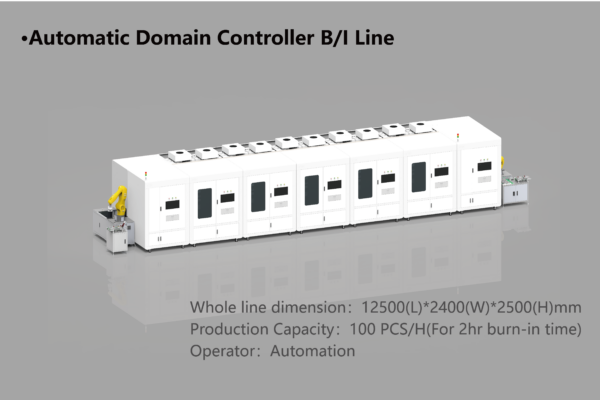
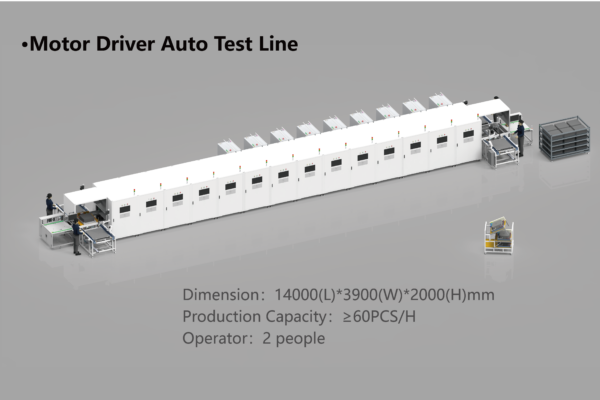
EOL testing is the final verification step performed on every unit as it leaves the assembly line — checking manufacturing defects, correct firmware, and functional performance before shipment to the OEM. For a modern vehicle with 100+ ECUs, a single undetected fault can become a costly field failure or recall. JETTEST covers this across the powertrain and control domains with the Motor Driver Auto Test Line, OBC Power Burn-in system, and Automatic Domain Controller B/I Line.

2. What's the difference between a motor driver test line and a motor driver burn-in line?

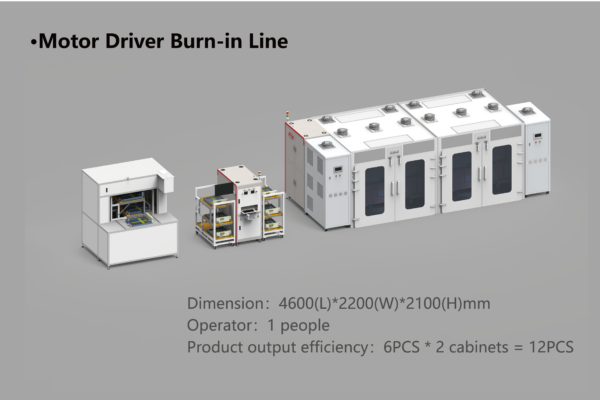
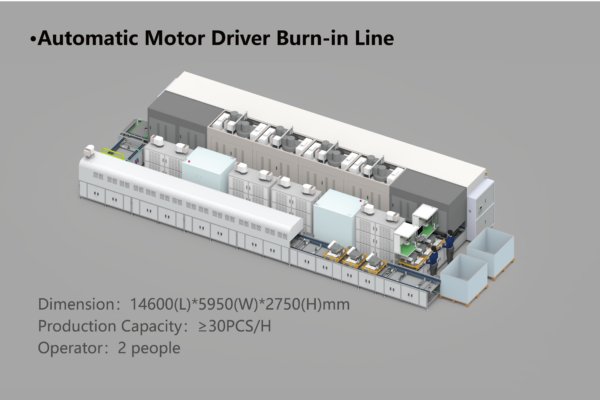
A test line verifies electrical performance and function at the end of assembly (short cycle, pass/fail); a burn-in line runs the driver under load and/or thermal stress for an extended period to screen out early-life failures before it reaches the vehicle. Many production lines need both stages. JETTEST offers them as distinct systems — the Motor Driver Auto Test Line for functional verification, and the Automatic Motor Driver Burn-in Line / Motor Driver Burn-in Line for extended reliability screening.

3. How does CAN/LIN communication diagnosis fit into domain controller and driver testing?

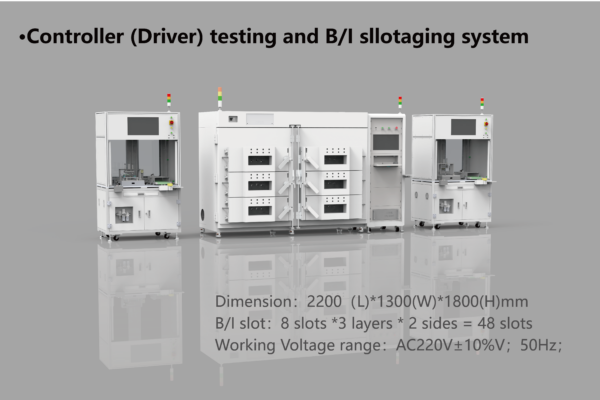
Most automotive controllers communicate with other ECUs over CAN, CAN FD, or LIN buses rather than simple hard-wired signals, so a production test system needs to send and decode real bus messages (not just check voltage) to confirm the unit is actually functioning correctly in-vehicle. JETTEST’s Automatic Domain Controller B/I Line and Controller (Driver) testing and B/I aging system build CAN/LIN diagnosis directly into the aging cycle, so communication faults are caught alongside electrical ones.

4. Why do PTC heaters need burn-in testing in addition to a basic functional check?

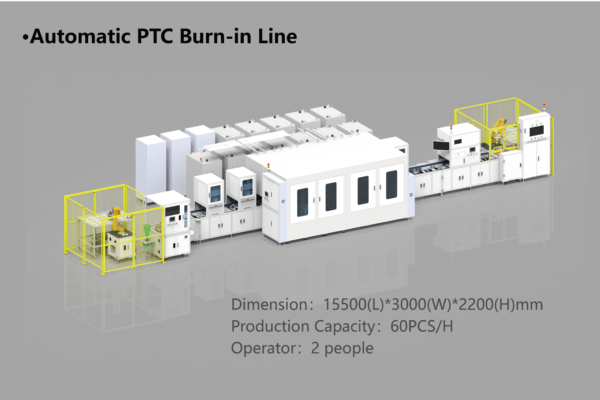
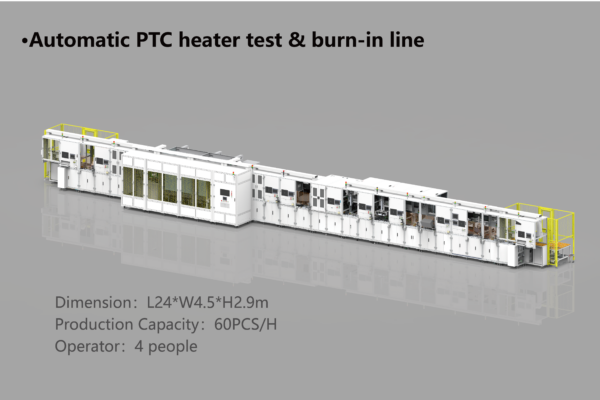
PTC heaters are resistive, self-regulating elements — a quick power-on check can’t reveal degradation that only shows up after sustained thermal cycling, which is a common failure mode in the field. JETTEST’s Automatic PTC Burn-in Line and Automatic PTC heater test & burn-in line run extended thermal cycling alongside functional test, so units are screened for both performance and long-term stability before leaving the line.

5. What is environmental stress screening, and why do automotive cameras and instrument clusters need high/low-temperature testing?

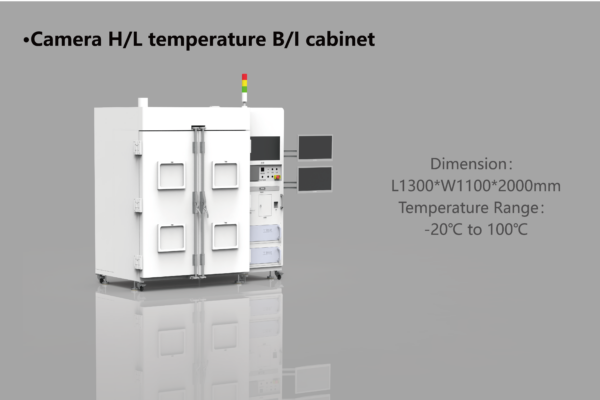
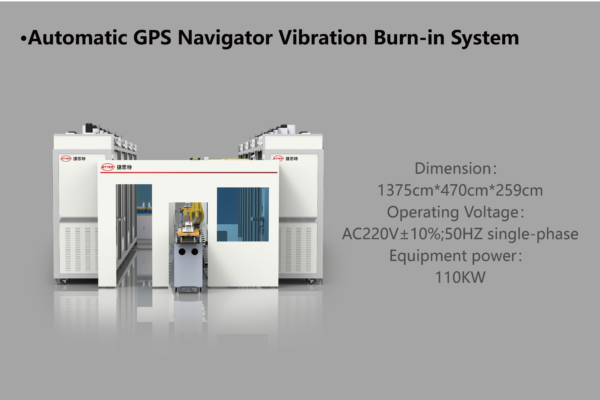
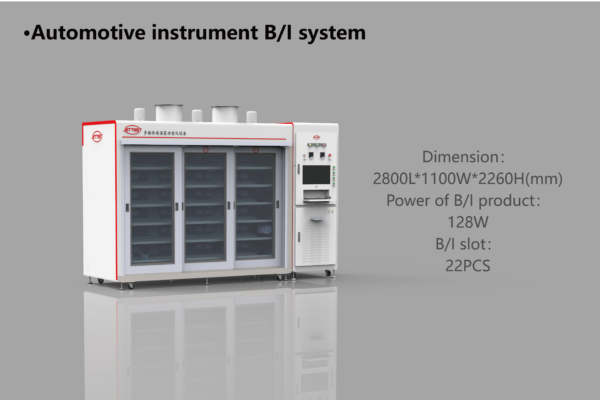
Environmental stress screening (ESS) exposes a unit to extreme or cycling temperatures (and sometimes vibration) to expose weak solder joints, component defects, or material issues that room-temperature testing would miss — critical for components mounted in engine bays, dashboards, or exterior positions with wide temperature swings. JETTEST addresses this with the Camera H/L temperature B/I cabinet, Automotive instrument B/I system, and — adding vibration stress on top of temperature — the Automatic GPS Navigator Vibration Burn-in System.

6. How is an on-board charger (OBC) tested for reliability, and does that include the charging connector?

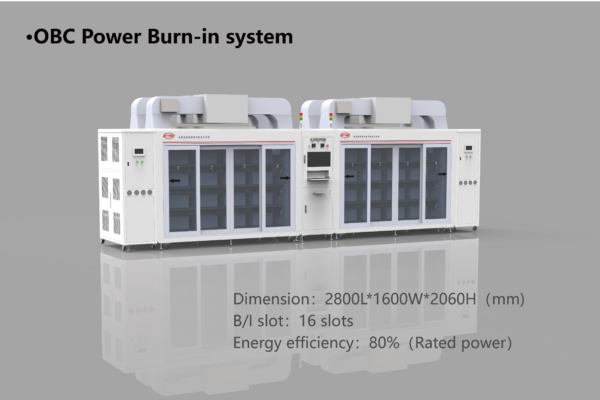
A complete OBC test covers both the power-conversion stage (AC input to DC battery charging, typically across 3.3–22 kW depending on the platform) and the physical charging interface. JETTEST’s OBC Power Burn-in system screens the charger’s power stage under sustained load, while the AC Charging Gun Burn-in Test Equipment separately validates the connector/gun assembly that handles repeated insertion cycles and current-carrying contacts.

7. What kind of testing do mechanical/electromechanical components like water pumps and compressors need, versus purely electronic parts?

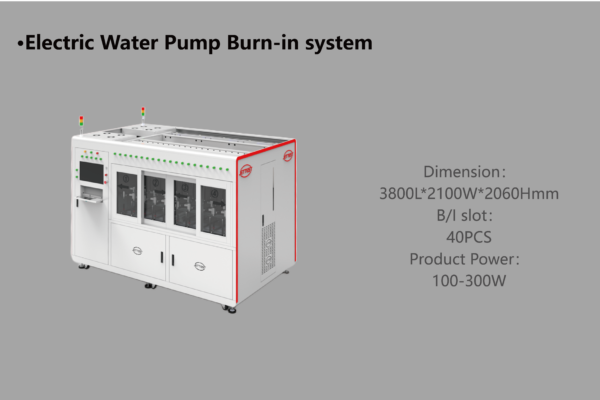
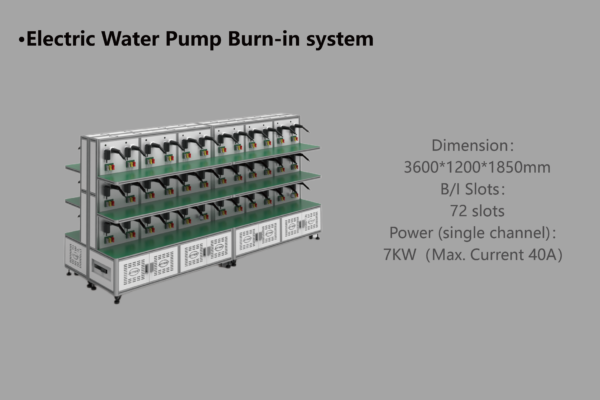
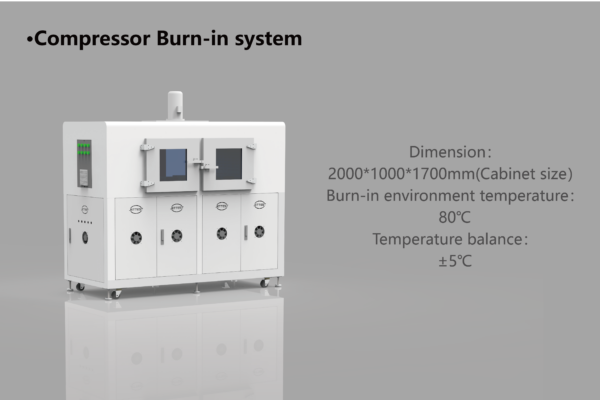
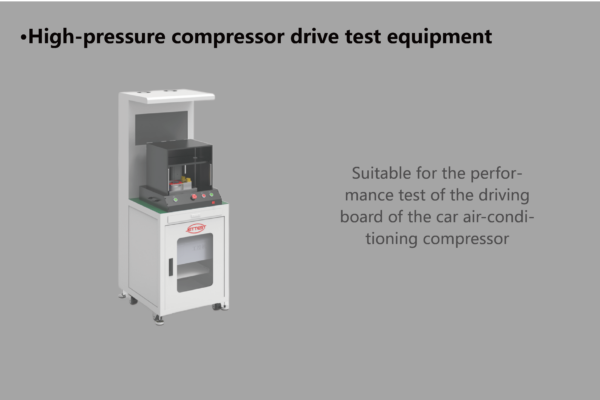
Beyond electrical checks, these components need to be run under actual mechanical load to verify flow rate, pressure output, noise, and bearing/seal durability over time — electrical-only testing won’t catch a mechanical wear issue. JETTEST covers this with the Electric Water Pump Burn-in system, Compressor Burn-in system, and High-pressure compressor drive test equipment for higher-pressure automotive HVAC/thermal-management compressors.

8. Can steering wheel assembly and in-vehicle HMI production be tested and burned-in on the same automated line?

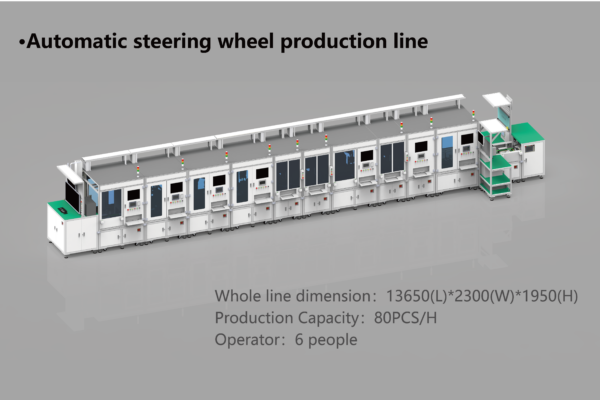
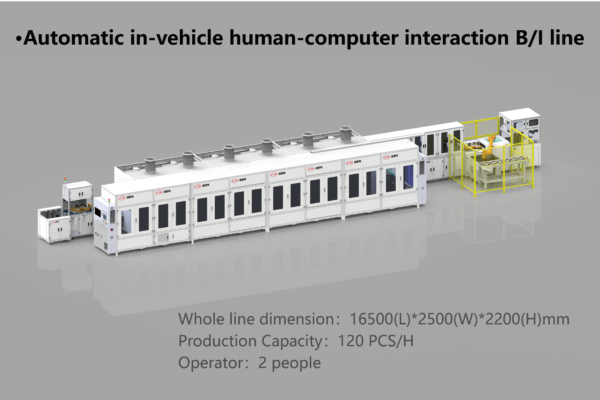
Yes — for components that combine mechanical assembly with embedded electronics (buttons, touch surfaces, heating elements, airbag interfaces), it’s common to integrate assembly verification and burn-in into one line rather than running them as separate stations, which reduces handling and improves traceability. JETTEST’s Automatic steering wheel production line and Automatic in-vehicle human-computer interaction Burn-in line are built around this integrated approach.

9. Are film capacitors used in automotive power electronics tested differently from standard components?

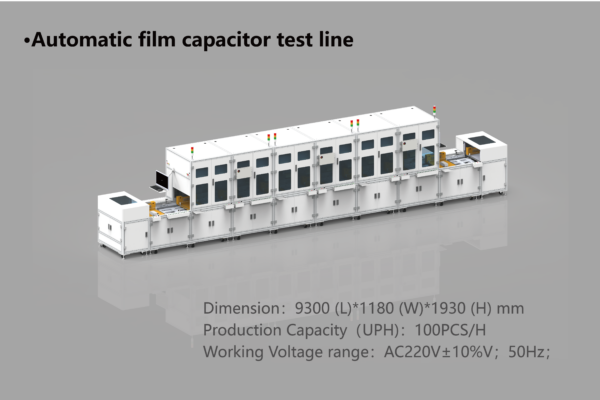
Yes — film capacitors used in inverters, OBCs, and DC-link applications need capacitance, ESR, and voltage-withstand verification under conditions that reflect their actual operating stress, since a marginal unit can affect an entire power module’s reliability. The Automatic film capacitor test line handles this dedicated test flow separately from general PCBA or ECU testing.

10. Do JETTEST's automotive test systems support international/OEM-specific standards?

Test sequences, voltage/current ranges, and communication protocols (CAN/CAN FD/LIN) can be configured to match the standards and platform requirements your OEM customer specifies — this is typically confirmed during the technical review stage rather than fixed in a standard configuration, since requirements vary by vehicle platform and Tier 1 customer. Our team has configured systems for automotive electronics suppliers including BYD, Valeo, Geely, and Chery production lines — contact JETTEST with your test spec to confirm compatibility.

Proven Quality, Globally Recognized

We deliver professional testing and aging solutions to leading global automotive electronics enterprises, serving renowned brands including BYD, Valeo, Geely, Chery, King Long, Inovance, Sunwoda, and TSINGSHAN. On-site photographs demonstrate the reliable operation of our test systems in customer production lines. Through dependable test equipment and rigorous quality control, we ensure every automotive electronic component achieves exceptional stability, safety, and durability.
Corporate Foundation
Proof of Capability
Global Ecosystem
Service Types
Product Services
Full-range solutions from power supplies to test instruments

Quality Inspection

Full-process testing solutions covering every production stage
After-sales Services
Dedicated ongoing support to ensure product reliability.
By Industry
Corporate Dynamics
Industry Perspective
Knowledge Hub
Social Responsibility