
Blog
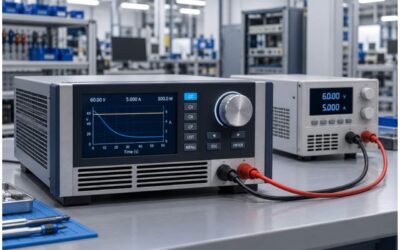
What That Knob on the Electronic Load Actually Does
A DC electronic load looks simple from the outside. You connect a power supply to its input terminals, set a current or resistance value, and it sinks power. The voltage drops, the current flows, and you can measure whether the supply holds...
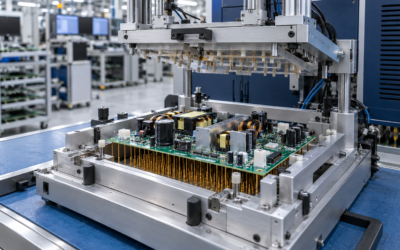
$80,000 Question: When In-Circuit Testing Pays for Itself
Every power supply manufacturer has a story about the unit that passed final test, shipped to a customer, and failed in the field. Sometimes it's a cold solder joint that held through production vibration but cracked during thermal cycling....

AC or DC? Three Rules for Picking the Right Hipot Test Method
The dielectric withstand test has been part of power supply manufacturing for decades. It's one of those tests that everyone knows they need to do, but not everyone gets right. Apply too much voltage and you damage good units. Set the leakage...

The Energy You’re Burning in Burn-In Is Someone Else’s Power Bill
Every power supply that leaves a production line spends time under load before it ships. That's the burn-in phase — hours or days where the unit runs at elevated temperature while test equipment monitors voltage regulation, thermal stability, and...

Guide to Optimizing Automation in Quality Control for Aging Tests
1.Introduction There is a steep incline in demand figures related to the industries of mobile energy storage power supplies, solar power, and energy-storage components. With the rising demand for such product categories, their manufacturers are...

Optical Inspection: Key to Reliability in Manufacturing Car Parts
1.Introduction A recent study backed by the U.S. Department of Energy found that almost $260,000 per hour worth of waste was caused by unplanned downtime in the manufacturing industry last year. This study also stated that for most industrial...